Since the ancient times, people loved to explore new places and cultures. The enduring stay in other places, with the purpose to relax, was already a common activity in the past. In this article “History of tourism” get to know more about the first forms of tourism and the leisure activities in the ancient times.
Since the ancient times, people enjoyed exploring new places and new cultures. The enduring stay in other places, with the purpose to relax, was already a common activity in the past. In this article “History of tourism” get to know more about the first forms of tourism and the leisure attractivities in the ancient times.
First of all, in all epochs people were travelling for trades, wars and exploring. It`s not easy to really understand when tourism entered to be part in a community for the first time, as there is a fine line between exploring to discover new places for needs and for curiosity/pleasure.
Ancient Rome
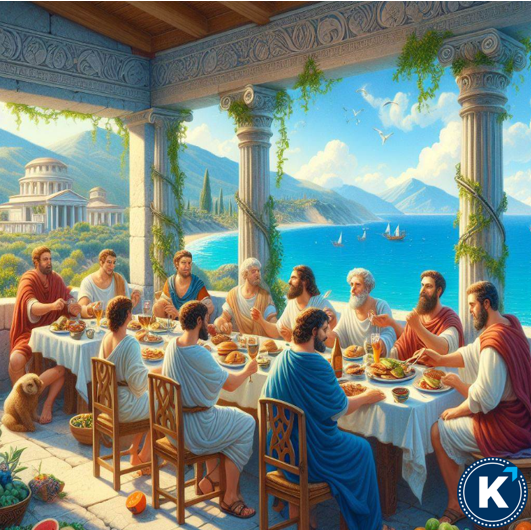
The desire of relaxing was part of the mindset of the patricians in Rome. Most of them, were used to own two residences: one in the city centre and another on the coast. As soon as they wanted to escape from the affaires and from the chaotic city, the exodus was very popular and Romans were travelling to the seaside villas for few days. The first vacations that time were common from north to south Italy. There were also guides and itineraries, aimed to help travellers to understand how to reach new places and to know more about the folklore and mythology.
In Rome there were a lot of artistic activities and Romans begun to be curious about international cultures. At this regard, the tourism for the patricians was not limited in Italy, instead they were inclined to travel abroad to Greece and Egypt. This interest was arising from the works of Homer.
Medieval Times
In this epoch the mindset was relatively rearmost in comparison with the ancient Rome. Anyway, the tourism was focusing on the religion. There were a lot of pilgrims travelling for months or years, searching for the most popular religious destinations.
Whereas for Romans we have noticed an interest in the cultures, in the Middle Ages travels were centred around spirituality and asceticism. The essence of life was the religiosity.
Renaissance
Renaissance means above all cultural rebirth. The religion was still important for the society, but the social concerns was involving other topics. Of course, this way of thinking was influencing the leisure activities too. In fact, trips were mostly focusing on arts and cultural studies. After the Middle Ages people founded different philosophic thoughts and doctrines. Travellers were focusing on the knowledge.
Post-industrial revolution
After the industrial revolution, people were more interested on learning from other cultures and bourgeois were travelling for leisure, history, cultures and studies.
In 1841 was founded the first travel agency in England: Thomas Cook & Son, still in the travel industry until today. The trends were the thermal tourism and the intercultural exchange. People with higher social status were travelling mostly for schooling abroad.
20th Century
During the 20th century, especially after the world wars, the economy begun to growth and the mobility was increasing. Tourists started to travel to far-off destinations, people were very curious to discover other cultures, as there was more general information. Furthermore, working conditions were allowing to plan long-terms holidays. The UNWTO, founded in the 1974, was tracking the touristic trends by collecting and publishing the first touristic statistics worldwide. After the 1990 tourism become accessible with low-cost offers and mass-tourism.
In the second millennials, the history of tourism changed by means of globalization, internet and high technology.
Written By

Knowess International
Knowess International helps business owners and department heads working in the hospitality and restaurant industries to develop the necessary skills with targeted consulting.
